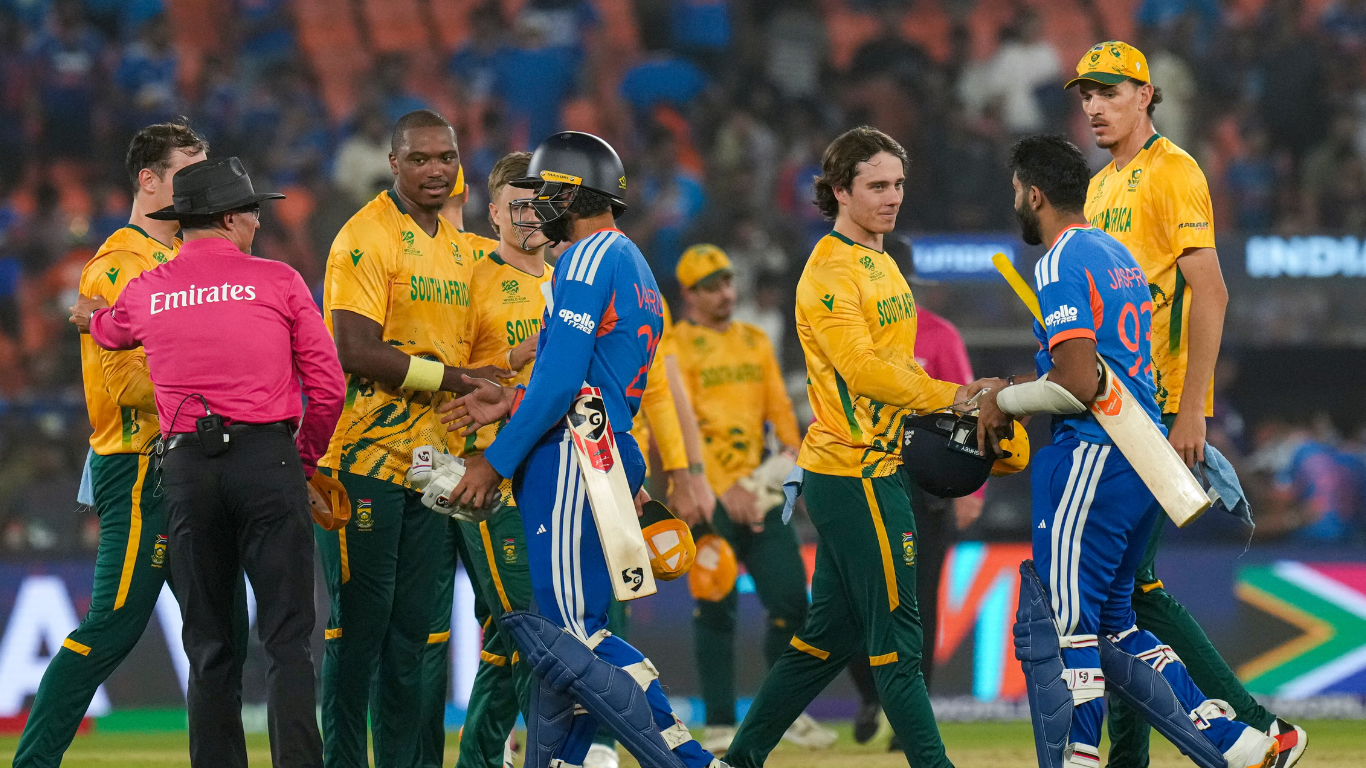
India’s campaign in the Super 8 stage of the ICC Men's T20 World Cup suffered a major setback after a heavy defeat to South Africa, in a match that exposed tactical errors and costly decision-making. While South Africa held their nerve in key moments, India were left to reflect on three crucial blunders that allowed a winning position to slip away and ultimately cost them the contest.
Failure to press home early bowling advantage

India had South Africa under immense pressure early in the innings, reducing them to 20 for 3 and firmly taking control of the game. At that stage, the opportunity was clear: one more breakthrough could have effectively ended the contest.
However, India did not capitalise. Jasprit Bumrah, who had already made an impact, was held back instead of being used aggressively to attack the new batter. With David Miller at the crease, India persisted with spin, and Miller seized the opportunity by targeting Varun Chakaravarthy.
That decision allowed South Africa to rebuild through a match-defining partnership. The momentum shifted steadily, and what could have been a below-par total turned into a challenging target. India’s inability to close out the innings when they were on top proved to be the turning point.
Overaggressive batting approach derails the chase
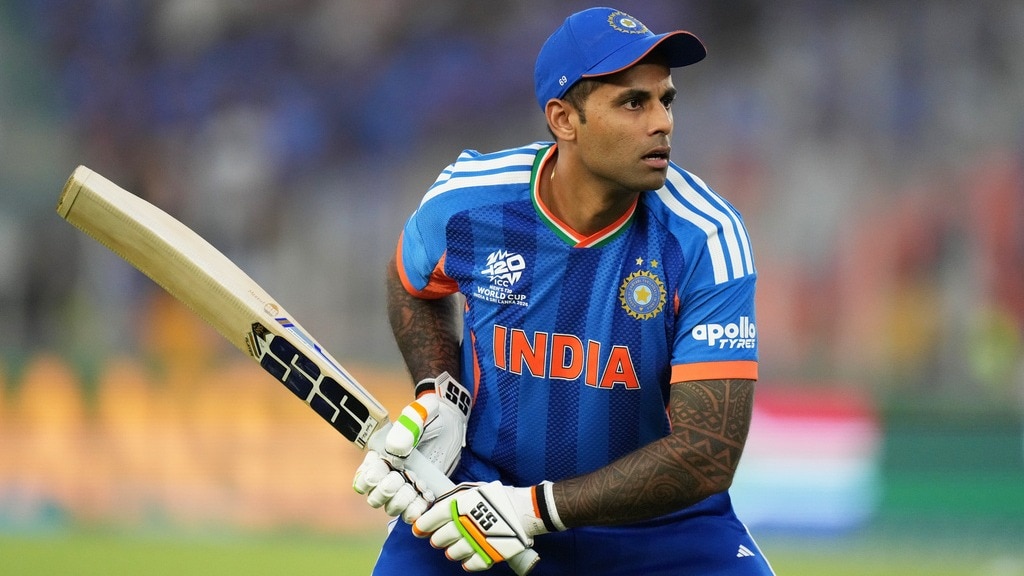
Chasing 188, India were well within reach of the target given their batting depth and recent form. The required rate was manageable, and there was no need for panic.
Instead, several Indian batters fell while attempting high-risk attacking shots too early in their innings. Rather than building partnerships and taking the game deep, India’s aggressive intent backfired.
Wickets fell at regular intervals, and the pressure mounted quickly. The lack of composure in a big chase prevented India from stabilising the innings, and South Africa capitalised fully by tightening their grip on the match.
Questionable batting order change adds to pressure

Another key moment came with India’s decision to promote Washington Sundar ahead of established middle-order batters.
With in-form Shivam Dube, experienced Hardik Pandya and finisher Rinku Singh available, the move raised questions. Sundar managed 11 off 11 balls, an innings that stalled India’s momentum at a critical phase.
Instead of maintaining tempo, the slowdown increased the pressure on incoming batters. The decision disrupted India’s batting rhythm and allowed South Africa to tighten control.
Costly lessons as tournament enters decisive phase
India’s defeat was not defined by one moment but by a combination of missed opportunities and questionable tactical calls. The failure to finish the game with the ball, lack of patience in the chase, and an unexpected batting order change collectively turned the match in South Africa’s favour.
Despite the setback, India still remain in contention in the Super 8 stage. However, with stronger opposition ahead, execution under pressure and tactical clarity will be critical.
Matches at this stage are often decided by fine margins, and India will need to respond quickly to ensure this defeat does not derail their campaign.